Dr Priya A. Chauhan, MD, Gynaecologist & Founder, Streearogya Rural Foundation (SARF)/ Mangal Pratap Streearogya Kendra (MPSAK) writes…
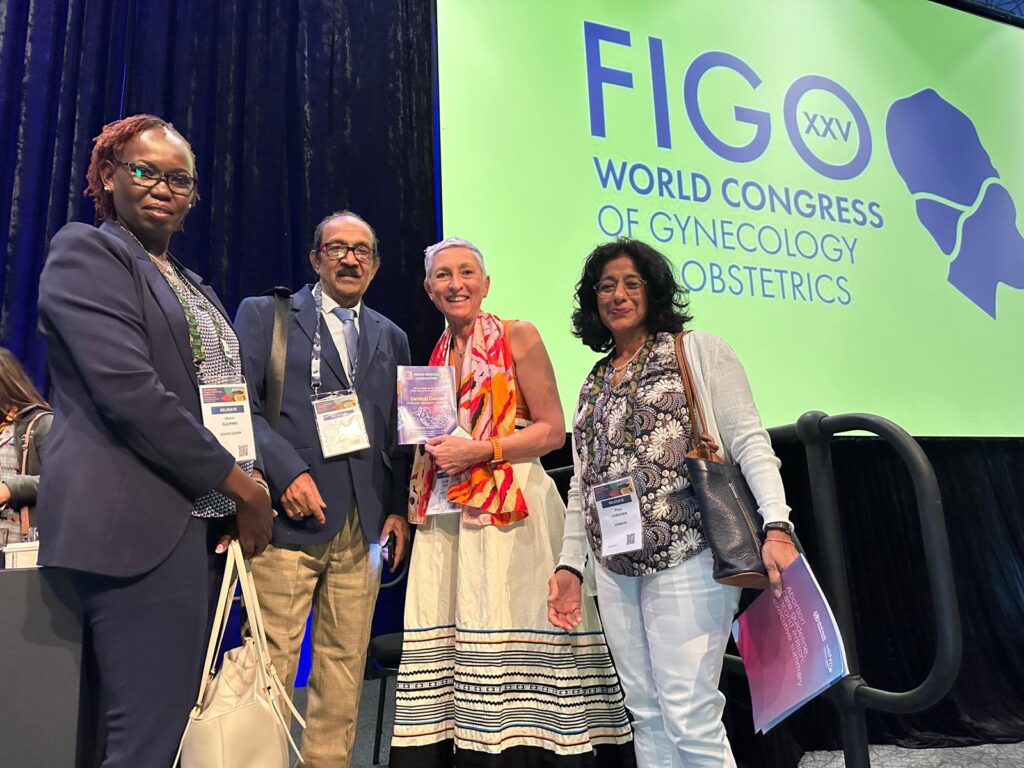
At the XXV FIGO World Congress (International Federation of Gynaecology and Obstetrics)
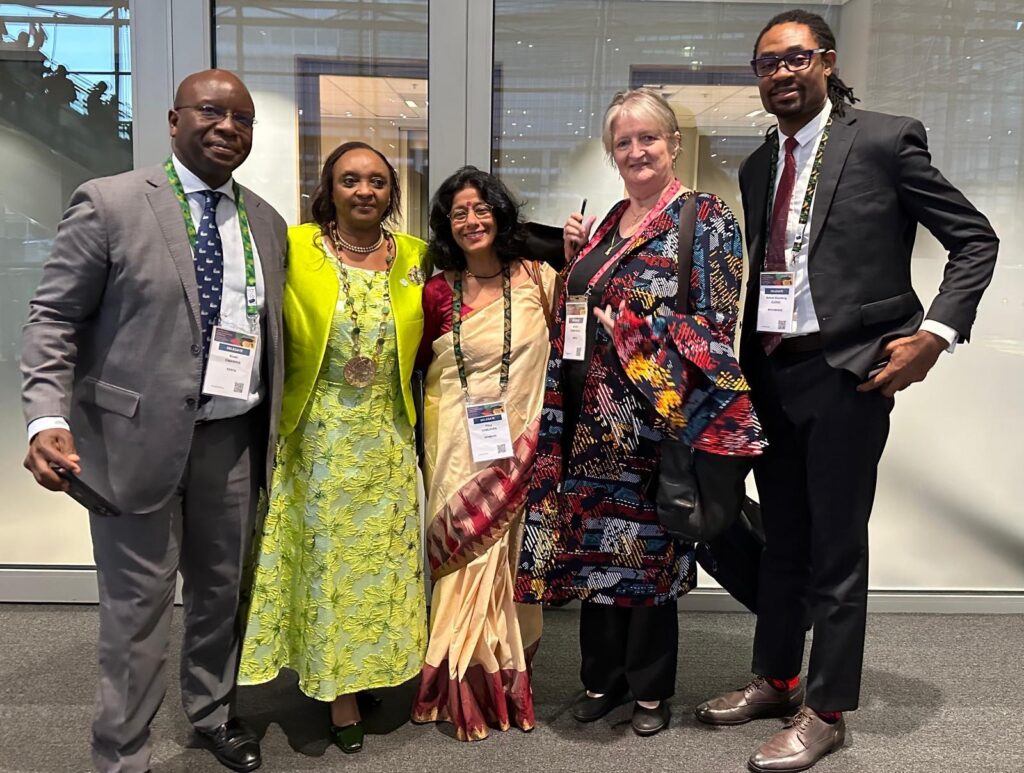
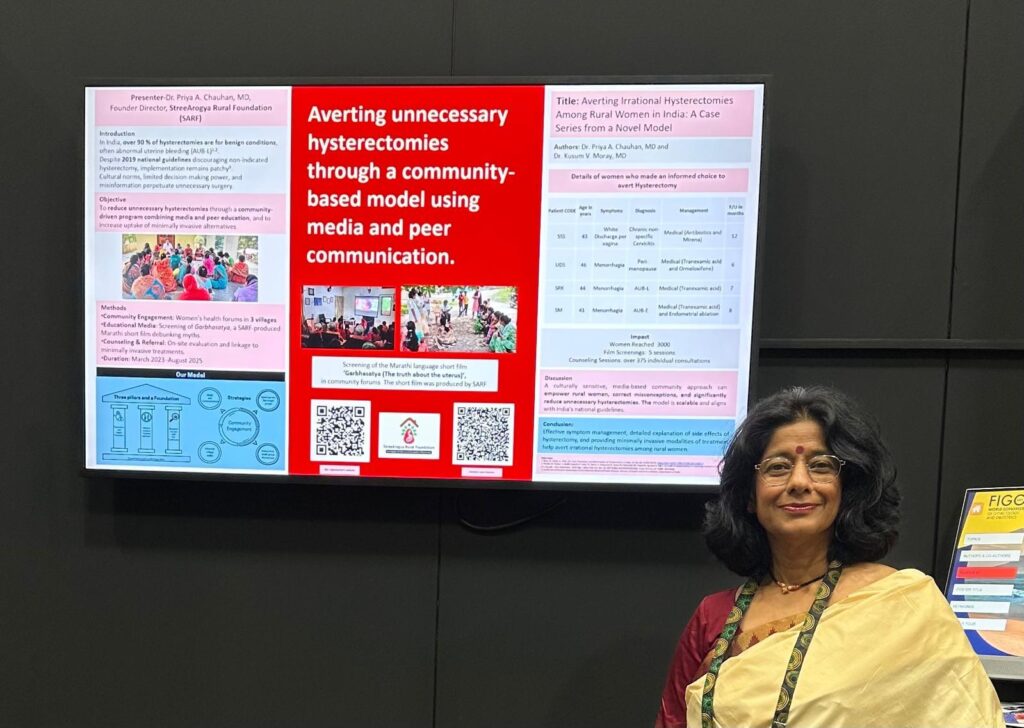
International conferences can often feel overwhelming — with multiple parallel sessions and subjects that may not always align with one’s immediate professional focus. Yet this year was different. As I stood at the XXV FIGO World Congress (International Federation of Gynaecology and Obstetrics) in Cape Town, October 2025, beside my poster presenting the work we are doing through SARF and MPSAK, I was approached by colleagues from across Africa and South-East Asia who were genuinely interested in our small but meaningful clinical findings.
Our poster highlighted how awareness initiatives and minimally invasive gynaecological solutions helped us prevent unnecessary hysterectomies in several women. To see this resonate with clinicians from diverse environments was deeply heartening. Across cultures and continents, the human body and the emotional decision-making of women facing illness are strikingly similar. Connection drives progress.
Seeing the Bigger Picture
One of the most important takeaways from this conference was the discussion on implementation strategies for cervical cancer screening in resource-limited settings. Having worked in Denmark for the past 32 years, I have witnessed first-hand the impact of well-structured public health systems where cervical cancer screening and HPV vaccination are fully integrated into national healthcare programmes.
• Screening participation in Denmark is approximately 61%
• 80–90% HPV vaccination coverage among young women
• Advanced cervical cancer is now rarely seen due to effective prevention strategies
The Situation in India
In contrast:
• Only around 2% of women aged 30–49 in India have ever undergone cervical cancer screening
• HPV vaccination uptake is very low, around 6%
• National screening and vaccination expansion is still in early development
This sharp contrast highlights the urgent need for a coordinated public health effort.
Learning from Rwanda & Costa Rica
Countries like Rwanda and Costa Rica shared remarkable experiences and success, offering inspiration and evidence that rapid change is possible.
Rwanda
• 90% HPV vaccination coverage among eligible girls
• ~11% screening coverage, with strong national commitment to scale up
Costa Rica
• ~78% cervical screening coverage
• ~70% HPV vaccination coverage in recent years
Their message was clear:
Political will + free national programmes + large-scale awareness outreach = transformational results.
A Renewed Sense of Optimism
The World Health Organisation (WHO) has set the ambitious 90-70-90 elimination target by 2030:
• 90% of girls vaccinated by age 15
• 70% of women screened between the ages of 35 & 45
• 90% of women with precancer or cancer treated
We have five years left to reach this goal. The time to act is now.
Encouragingly, India is taking promising steps, including the development of the indigenous TruNat HPV test and plans to include HPV vaccination in the national childhood immunisation programme.
Our Local Commitment at SARF & MPSK
We are preparing to launch:
• A cervical cancer awareness film
• Free cervical screening for women in rural communities
• Support for access to HPV vaccination
Currently, these services are not free in India, and affordability remains one of the biggest barriers. Our vision is for cervical cancer prevention to become fully government-funded and accessible to every woman, regardless of socioeconomic status.
A Call for Collective Action
We cannot eliminate cervical cancer through medical expertise alone.
It requires policymakers, public health workers, educators, community leaders, and social organisations working together with shared intent.
Women everywhere deserve the opportunity to live healthy, empowered, cancer-free lives.
The time to act is now.
Walk With Us — Be Part of the Change
Every step we take brings us closer to a world where no woman loses her life to an entirely preventable disease. We invite you to join hands with us — as supporters, volunteers, partners, and champions of women’s health. Your involvement, advocacy, and donations help us reach remote villages, provide free screening, offer HPV vaccination, and spread life-saving awareness.
Your support can change someone’s future.
Please join our journey, contribute where you can, and help us protect the women who hold together our families and communities.
Together, we can eliminate cervical cancer.
2 thoughts on “Local Action, Global Learning: Preventing Cervical Cancer Through Awareness, Screening & HPV Vaccination”
Informative,analytical and helpful presentation dear Priya Madam.impressed.Ready to join you in this awareness program.
Regards.
Thanks a lot, DR. Ghuli. Your encouragement is much appreciated. We will be happy to collaborate.